
Master the Art of Traveling Slowly Across New Zealand
- Written by Lilly Miller
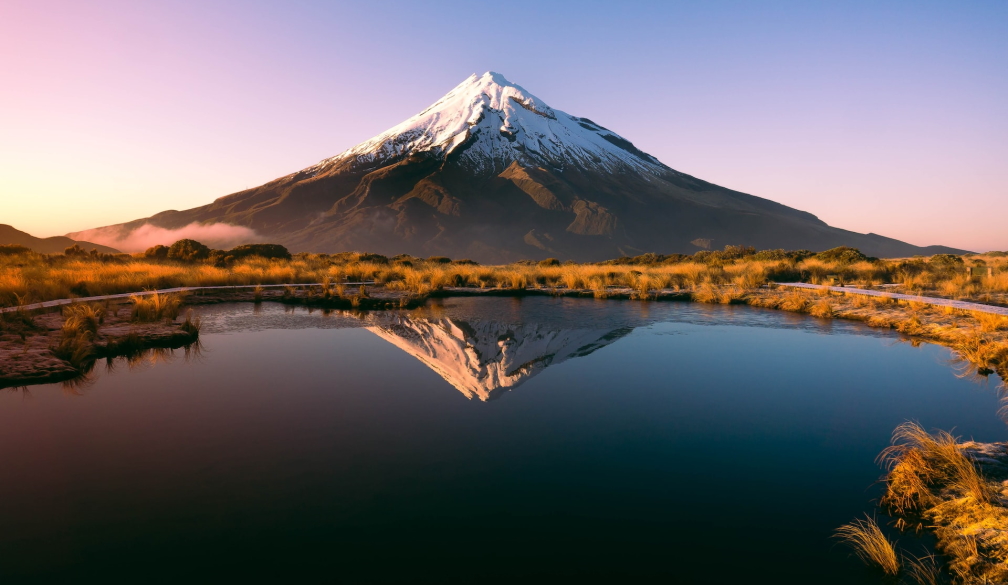
In the era of multitasking, digital omnipresence, and filters to beautify our moments for the digital world, we have a strange tendency to cram our schedules to the brim without ever truly focusing on its content. We’ve even managed to taint some of the most precious experiences life has to give, travel included. Hence the posed photo session beneath the Nugget Point Lighthouse without ever glancing at the breathtaking surroundings of this beautiful landmark.
Have you grown tired of meaningless globetrotting? Why not replace chaotic rushing through the streets with soulful and sustainable travel experiences that will bring you meaning and purpose? It takes time to slow down and enjoy the little things you do during your travels while safeguarding our planet. Let’s see how you can master the art of taking your time while exploring the world.
Defining the slow-travel mindset
It’s the moment you soak in with your eyes closed, when the dawn greets the sky somewhere on a secluded island in the southwestern Pacific. And that cup of coffee you sip while the crowd rushes past you, when you never once glance down at your phone. But most of all, it’s every moment you stop to appreciate a view, someone’s laugh, an unfamiliar language, curious music, or smile at someone passing by.
In faraway countries the likes of New Zealand, such a mindset is not just possible, but deeply encouraged even by the local population. It’s every single moment you allow yourself to be present, not to evaluate it based on that desire to impress your social media friends, or to rush to check another must-see box on your list. You can actually follow a New Zealand travel guide that lets you savor the scenery and the most memorable experiences without a single hectic moment in your agenda. Slow travel is everything and anything you want it to be – no constraints, ample flexibility, and joy-filled time.
Immerse yourself in the local culture
Sometimes it feels impossible to pace yourself in places where life has its own hectic heartbeat. Hong Kong, for instance, is famous for its fast-paced tempo, and yet, you can certainly slow your explorations down with the right mindset. First of all, you can stay in a serene environment and use it as a base for your explorations, away from the crowds. This will make it easier for you to take your time with your plans (or the lack thereof) and listen to your inner compass.
Maybe you’ll be in the mood for an early morning stroll amidst the locals, to grab a cup of Indonesian coffee and an egg waffle drizzled with chocolate. Then again, perhaps you’d prefer to take a seat by the shore and watch as the city awakens and the streets are filled with busy tourists and even busier locals. Talk to some of them, ask them for suggestions on where you should go, be spontaneous, reconnect with your life, and most importantly, keep an open mind – sometimes the busiest of places can bring you the most unexpected tranquility.
Leave the digital world in your bag
Taking dozens of selfies with different filters no longer qualifies as making memories. As you stand there staring at your phone, an entire universe of beauty and life unravels around you, and you’ll be too busy to soak it in. Instead of posting updates on social media and texting everyone you know, why not actually have that great time you’re talking and posting about?
Try devoting all of your undivided attention to the actual destinations you’re visiting. How else can you spot hidden treasures the likes of Motueka Saltwater Baths or Blenheim’s Wairau Lagoons walkway, where very few touristy trails could ever take you? The same focus on the present moment will help you notice the quirky details every destination hides, and you’ll enjoy it even more when you put away your phone.
Ditch the crammed checklist
If you find yourself itching to see as many sightseeing spots as you possibly can when you reach a new destination, fear not, you’re not alone. Most of us let this excitement overwhelm us into creating insanely crammed to-do lists, which end up making us feel exhausted and less than impressed. Travel can be more than the sights. It can be about the conversation you have with a souvenir seller in Auckland, or about the first time you dip your toes in the ocean at MaiTai Bay in the Karikari Peninsula.
More often than not, the unplanned events will be more extraordinary than anything you could ever schedule. Although you can always have a flexible list of things to visit in each destination, and research can help you understand the culture you’re about to head to, flexibility and freedom should always come first.
Practice purposeful reflection
Ultimately, slowing down during your travels shouldn’t end with the takeoff. The longer you let them live and pulsate in your soul, the more they’ll help you abandon the heavy shackles of this fast-paced life of ours. Such experiences transcend their fleeting nature. They are the doors to a permanent mindset shift that can let you discover more hidden beauty in your own place of residence.
Savor those precious memories without turning to your digital memory bank. By living them deep down to your bones, by not being distracted by the virtual, you will be able to become more present in every single moment in time, and find more ways to enjoy your travels, ones that no travel book could every teach you.
Slowing down has value beyond travel alone. However, if you embrace that mindset for such occasions, you may find yourself craving for more travel as well as everyday experiences that reflect its tempered pace. Let these little tips help you get there, and bask in the beauty of pure, slow-paced travel.